
What Are the 5 Basic Elements of Landscape Design
ifo5mypo7m3orreu • January 12, 2026
When it comes to landscaping, there are really five things you keep coming back to. A local landscape designer in Sandy, UT, will tell you it’s color, form, line, texture, and scale. I mean, these are the basics; without them, a yard just kind of feels off. Color is what catches your eye first, form is the shape everything makes, line leads you around the space, texture gives it some interest so it’s not flat, and scale just makes sure nothing looks out of place. You start thinking about all of them at once, and suddenly, a plain yard starts to feel like it actually works.
Understanding Color in Landscape Design
Color sets the emotional tone for your entire outdoor space. The hues and tones you choose, from plant foliage and flowers to hardscape materials, can completely change how people feel when they step into your yard. Warm colors like reds, oranges, and yellows create energy and excitement. You might use these near entertaining areas or along walkways where you want to grab attention. Cool colors such as blues, greens, and purples bring calmness and work perfectly in meditation gardens or quiet reading nooks.
Color also helps unify different areas of your landscape. Repeating certain flower colors throughout your garden beds creates visual connections that make the space feel cohesive rather than random. Many homeowners find success using a limited palette of three to four colors that complement their home's exterior.
Form: The Shape and Structure of Your Landscape
Form describes the three-dimensional shape and structure of objects in your landscape. This includes everything from the natural growth habits of plants and trees to architectural features like pergolas, fountains, and garden walls. Different plant forms serve different purposes in design. Upright, columnar trees can frame views or create privacy screens. Rounded shrubs soften the harsh corners of buildings. Spreading groundcovers fill in gaps and prevent erosion on slopes.
The key is mixing forms thoughtfully. A landscape filled only with round bushes looks monotonous, while too many spiky plants can feel chaotic. Professional landscape designers often follow the rule of thirds, using one dominant form with two supporting shapes to create interest without overwhelming the space.
Line: Creating Movement and Direction
Line represents the visual direction or movement created by elements throughout your landscape. These invisible pathways guide where people look and how they move through your outdoor space. Straight lines feel formal and direct attention quickly. They work well for modern designs and areas where you want clear sight lines. Curved lines feel more natural and relaxed, encouraging people to slow down and explore. Most residential landscapes benefit from a mix of both.
Lines can be created by many different elements. Garden bed edges, walkways, fencing, and even the arrangement of plants all contribute to the linear flow of your design. Horizontal lines emphasize width and can make small spaces feel larger. Vertical lines draw the eye upward and add height to flat landscapes.
Texture: Adding Depth and Interest
Texture encompasses the surface quality and visual weight of materials in your landscape. This element adds depth and tactile appeal that makes outdoor spaces more engaging to experience. Fine textures include elements like delicate fern fronds, smooth river rocks, or neatly trimmed grass lawns. These create a sense of distance and can make spaces appear larger. Coarse textures come from bold-leafed plants like hostas, rough stone walls, or chunky mulch. These elements feel closer and more dramatic.
The most successful landscapes mix textures strategically. Placing fine-textured plants in the background with coarser textures in the foreground creates natural depth. Contrasting a smooth concrete patio with rough natural stone borders adds visual interest without competing for attention.
Scale: Getting the Proportions Right
Scale relates to the size of elements in your landscape compared to other objects and the surrounding environment. Getting scale right ensures that everything feels proportional and comfortable rather than overwhelming or insignificant. A massive oak tree might look perfect next to a large two-story home, but could dwarf a small cottage. Similarly, tiny border plants might get lost along a long driveway but work perfectly in a compact courtyard garden.
Consider both mature plant sizes and immediate impact when planning. That cute little maple sapling might grow into a 40-foot giant that blocks your neighbor's view in fifteen years. Professional landscape designers always research plant growth habits and plan for long-term scale relationships. Scale also applies to hardscape elements. Oversized pavers can make a small patio feel cramped, while tiny stepping stones might look lost in a large lawn area.
Bringing the Elements Together
The magic happens when these five elements work together seamlessly. Color draws people into your space, form provides structure and function, line guides movement and creates flow, texture adds sensory richness, and scale ensures everything feels proportional and comfortable. Many homeowners start with one element and build from there. You might begin with a color scheme inspired by your home's exterior, then select plants with appropriate forms and textures that fit the scale of your space. The lines naturally emerge as you arrange these elements thoughtfully.
Customer reviews on platforms like Trustpilot consistently show that homeowners who understand these basic principles before starting their projects end up more satisfied with their final results. Taking time to plan how these elements will work together prevents costly mistakes and creates outdoor spaces that truly enhance daily life. Whether you're planning a complete landscape renovation or just refreshing a few garden beds, keeping these five fundamental elements in mind will help you create an outdoor space that feels intentional, beautiful, and perfectly suited to your lifestyle.
We’re excited to help you transform your outdoor space! Whether you're interested in a new driveway, a backyard makeover, or a custom walkway, our team at Ironwood Landscaping is here to assist you every step of the way.
Call Us:
(801) 917-6315
Email Us:
ironwoodlandscaping.utah@gmail.com
Business Hours:
- Monday to Friday: 8:00 AM–6:00 PM
- Saturday: 8:00 AM – 2:00 PM
- Sunday: Closed
Visit Our Showroom:
10561 Amaryllis Street, Sandy, UT 84094
Online Form:
Use the online form
to send us your details, and we'll get back to you as soon as possible. We look forward to helping you bring your landscaping vision to life!
Related Topics:
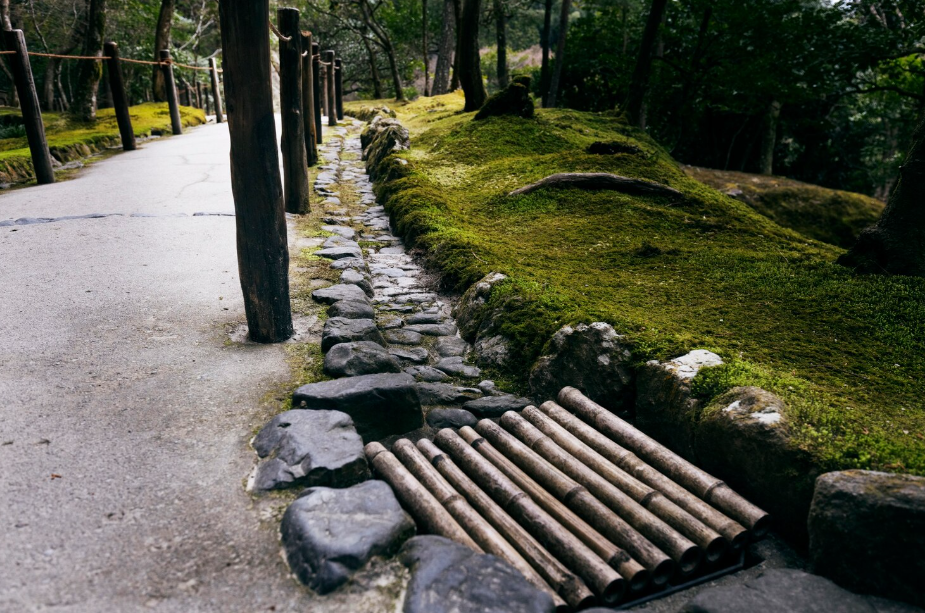
A swale is a shallow, planted channel that manages runoff, reduces erosion, improves drainage, and blends naturally into the landscape.

Cut landscape blocks safely and accurately by using the right tools, careful marking, steady cuts, and smart handling from start to finish.
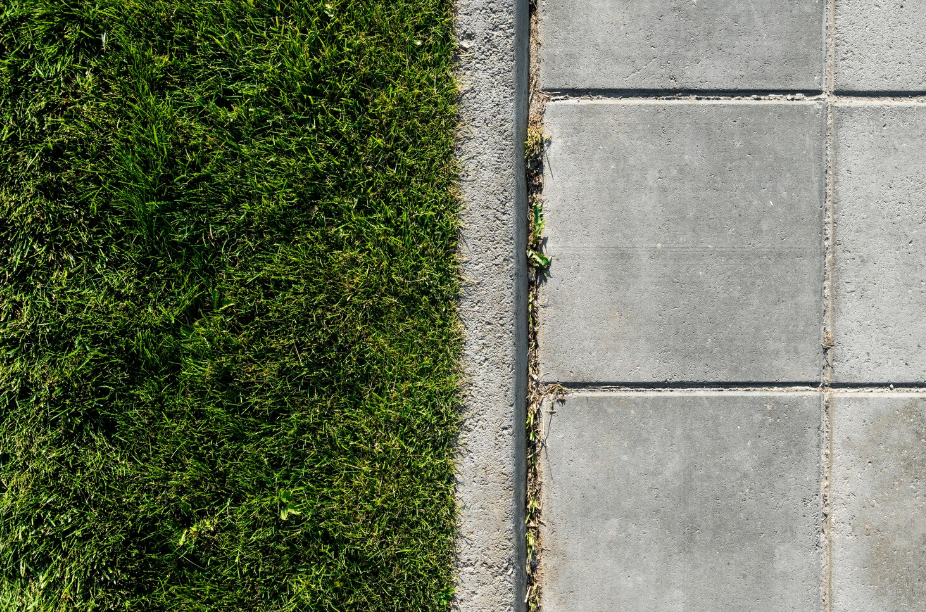
Learn how to cut landscape blocks cleanly using proper tools, careful measuring, and steady techniques for a polished, professional look.
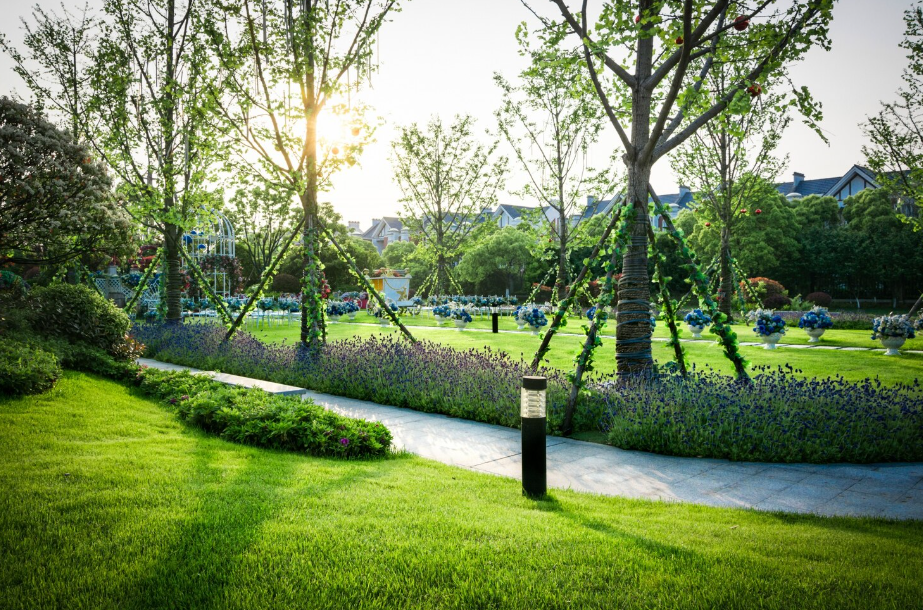
Learn how to cut landscape edging cleanly using the right materials, tools, and techniques for straight lines, smooth curves, and tidy borders.
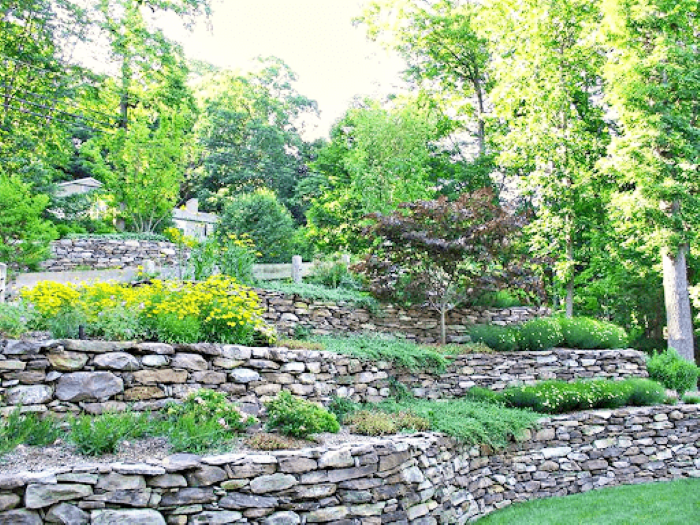
Landscaping a hill takes more thought than working with flat ground, but the results can be stunning. A quality landscape designer knows that success starts with understanding your hill's specific traits, such as slope, soil type, and sun exposure. From there, plant selection, terracing, and retaining walls all contribute to turning a tricky slope into something beautiful. This post covers the main steps to get your hill looking great while keeping it stable and low-maintenance. With the right approach, your sloped yard can become a real standout feature. Assess the Hill's Characteristics Before you start any landscaping work on a hill, take time to really look at what you're dealing with. Stand at the base and observe the incline, soil quality, drainage patterns, and how much sunlight different areas get. These details will shape every decision you make about layout and design. The slope's steepness indicates whether you need terracing or retaining walls. Soil quality determines which plants will actually survive there. Watching where water flows helps you avoid erosion problems down the line, and tracking sun exposure helps you place plants for the best growth. Getting these basics right sets up the whole project for success. Choose the Right Plants Wisely Picking plants for a hillside means considering slope steepness, soil conditions, and how much sun each area receives. Plants like creeping phlox, juniper, and ornamental grasses work well on slopes because they help hold soil in place. Groundcovers such as sedum or vinca can tolerate a range of soil types and spread nicely across the surface. Shrubs like yew or boxwood add stability and visual interest. Native plants that already thrive in your area's conditions require less maintenance and help the landscape blend into its surroundings. Choosing the right plants from the start means less work later and a hillside that actually looks good year after year. Design Terraced Gardens Effectively Building terraced gardens takes careful planning and smart placement of retaining walls to make the most of your space. When designing terraces, keep these points in mind: Evaluate Sun Exposure: Ensure each terrace receives enough sunlight for the plants you want to grow. Choose Appropriate Plants: Pick vegetation that fits the specific conditions on each level. Utilize Varied Heights: Add visual interest by mixing plants of different heights on each terrace. Implement Proper Drainage: Add drainage systems to prevent water from pooling and causing damage. Consider Accessibility: Plan pathways and steps so you can easily get around for maintenance. Utilize Retaining Walls Strategically Placing retaining walls in the right spots makes terraced gardens both functional and good-looking. These walls do several jobs at once: they stop soil erosion, create flat planting areas, and add structure to the landscape. When building retaining walls, think carefully about materials, height, and placement. Natural stone or timber gives you a classic look that fits in with the surroundings. Varying wall heights adds depth to the garden, and putting them in key spots can create focal points or draw the eye along the slope. Adding steps within the walls makes it easier and safer to move through the garden. Incorporate Natural Features Thoughtfully Adding natural elements to your hill design makes everything look more cohesive and connected to the surrounding environment. Pay attention to the details so everything blends smoothly. Here are some things to consider: Native Plants: Choose plants that grow naturally in your area for a cohesive look. Rock Formations: Place natural rocks throughout the design for texture and visual interest. Water Features: A small stream or waterfall can add a calming element. Wildlife Habitats: Create spaces that attract local birds and animals to strengthen the ecosystem. Erosion Control: Use natural erosion prevention methods to protect the hillside over time. Maintain and Care for Your Hill Keeping your hill in good shape means setting up a regular maintenance routine. Check the hill regularly for erosion, drainage issues, or signs of soil wear, and fix problems quickly before they get worse. Mow the grass regularly, trim the bushes, and pull the weeds to keep things looking tidy. Planting erosion-control vegetation helps stabilize the soil and prevent landslides. Feed plants when they need it and make sure they get enough water, especially during dry spells. Mulch helps hold moisture and keeps soil temperature steady. Staying on top of maintenance keeps your landscaped hill looking great for years to come. Related Topics: How Do I Lay Out My Landscaping Creative Ways to Landscape Steep Slopes
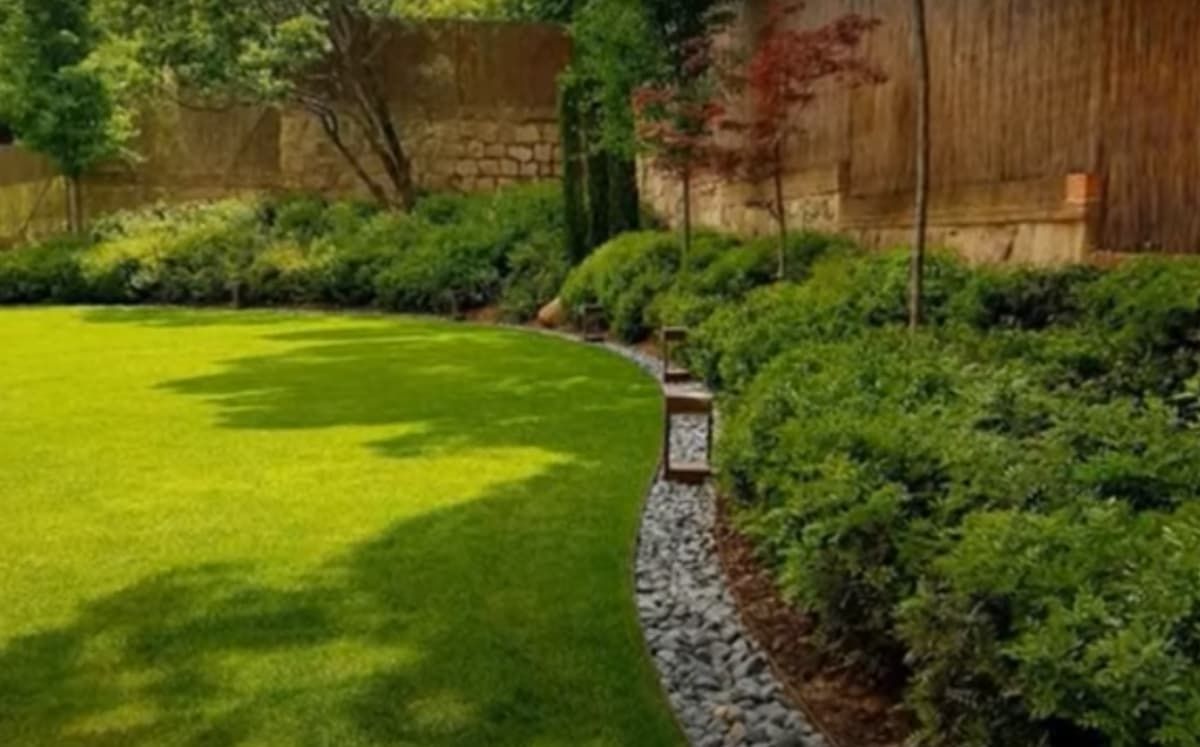
Transform your garden with landscape timbers using this complete guide for proper installation and design tips.
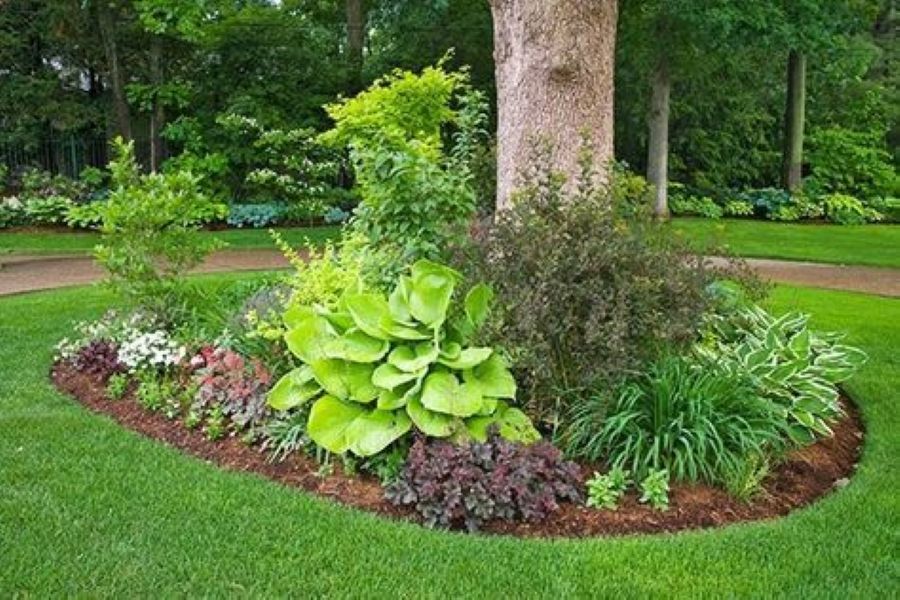
Follow this step-by-step guide to learn how to landscape around trees for a stunning, natural outdoor look.
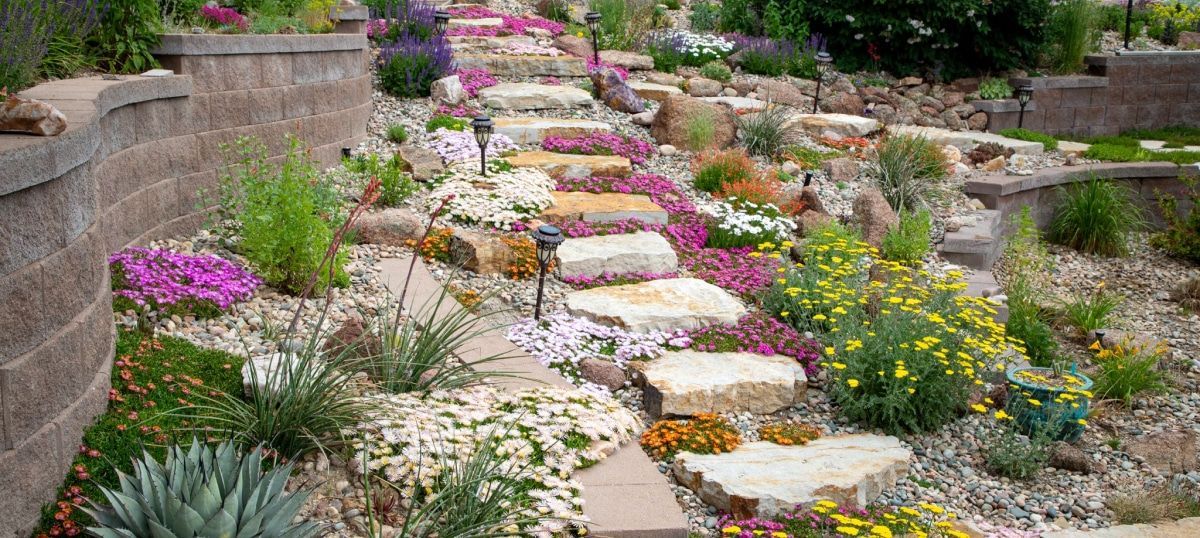
Find ways to landscape your steep slopes creatively without the need for retaining walls in this inspiring guide.
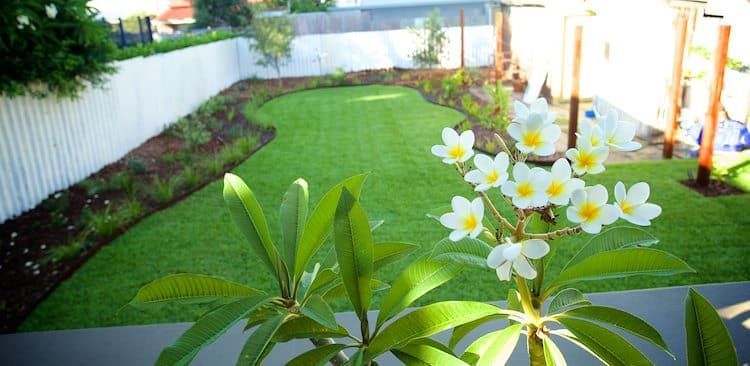
Explore how to lay out your landscaping with these easy tips for an attractive, well-organized garden.
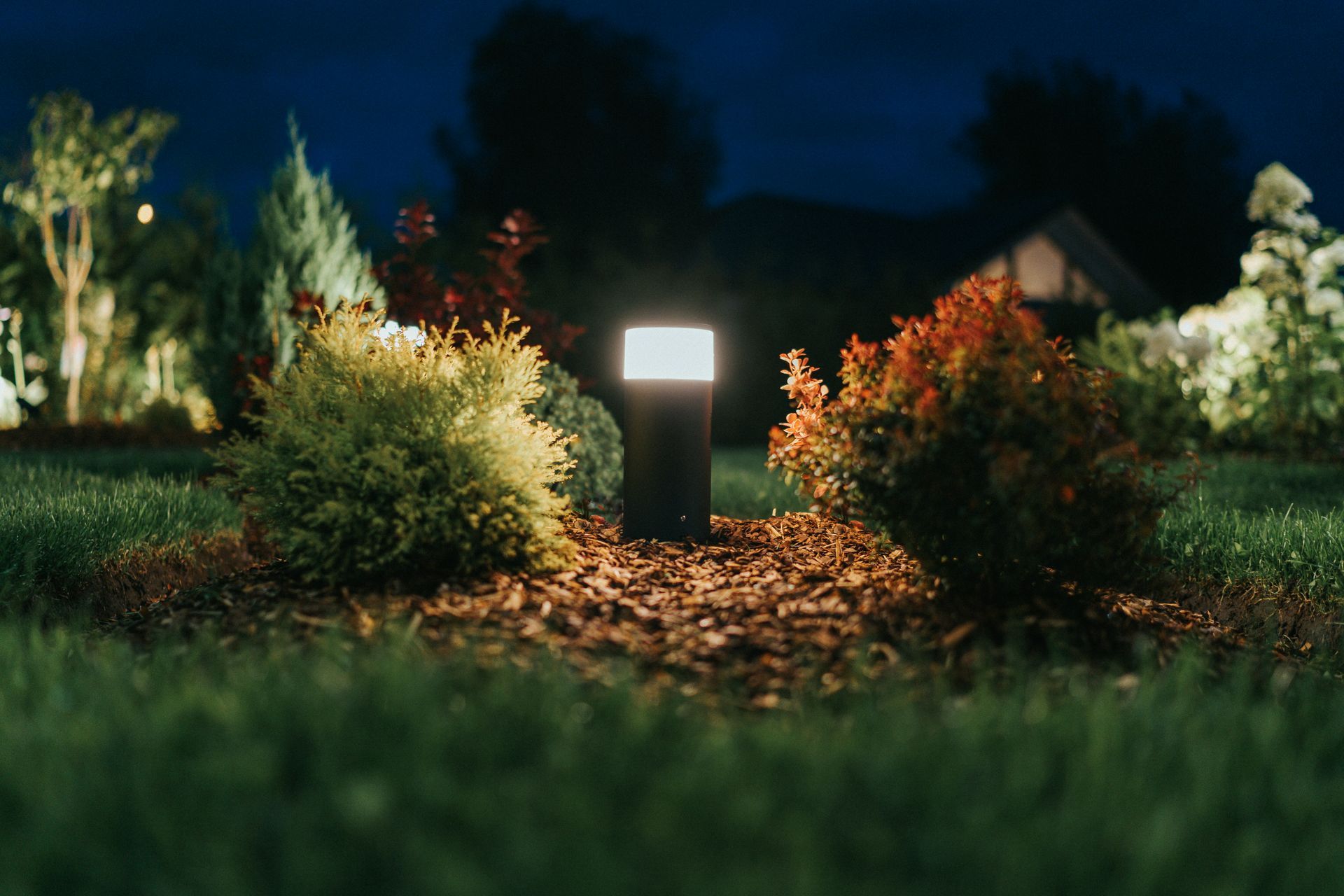
Landscape lighting boosts beauty and safety by highlighting features, guiding paths, and using efficient fixtures for a warm, inviting outdoor space.





