Creative Ways to Landscape Steep Slopes Without Retaining Walls
Steep slopes don't have to be a headache for homeowners looking to improve their outdoor space. With the right approach, you can turn that tricky hillside into something that actually looks good and holds up over time. An experienced landscape designer in Sandy, UT, can help you figure out the best techniques for your specific property and soil conditions. This post covers terracing methods, planting strategies, rock formations, water features, pathways, and native plant options. All of these approaches tackle erosion and drainage problems while giving your yard real visual appeal.
Terracing for Optimal Slope Management
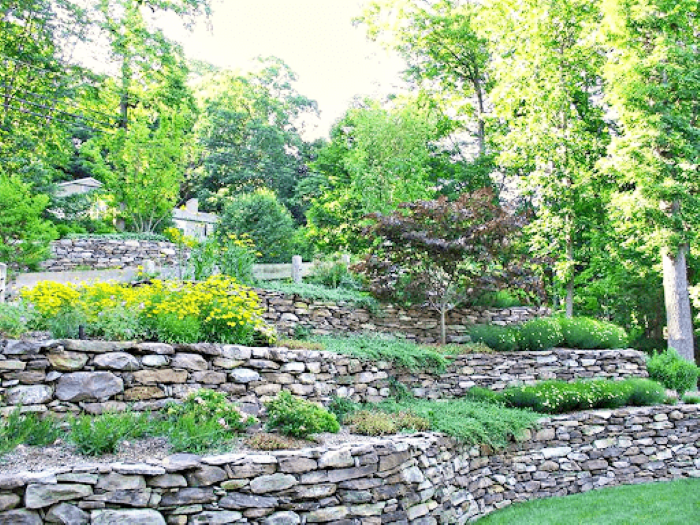
Terracing lets you turn a steep hillside into a series of flat, usable areas that look great and function even better. The technique helps control erosion, manage water runoff, and create level planting surfaces. Start by marking out your terrace levels, following the natural shape of the hill. Use natural materials, such as stones or timber, to build up the edges of each level. Fill each terrace with soil and pack it down tight for stability. Adding steps or pathways between levels makes it easier to get around and care for your plants. Terracing a steep slope improves both how the landscape looks and how well it works long-term.
Planting Techniques for Soil Stability
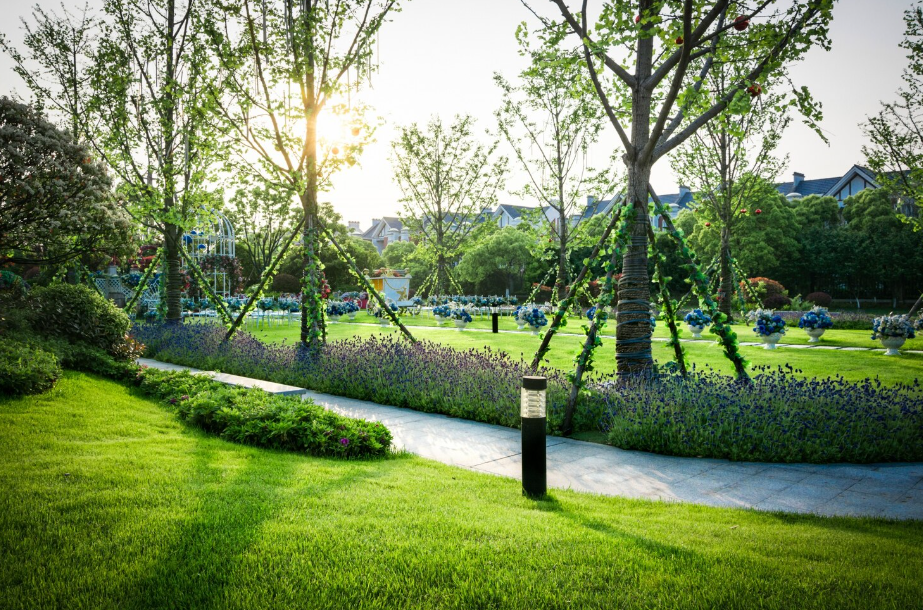
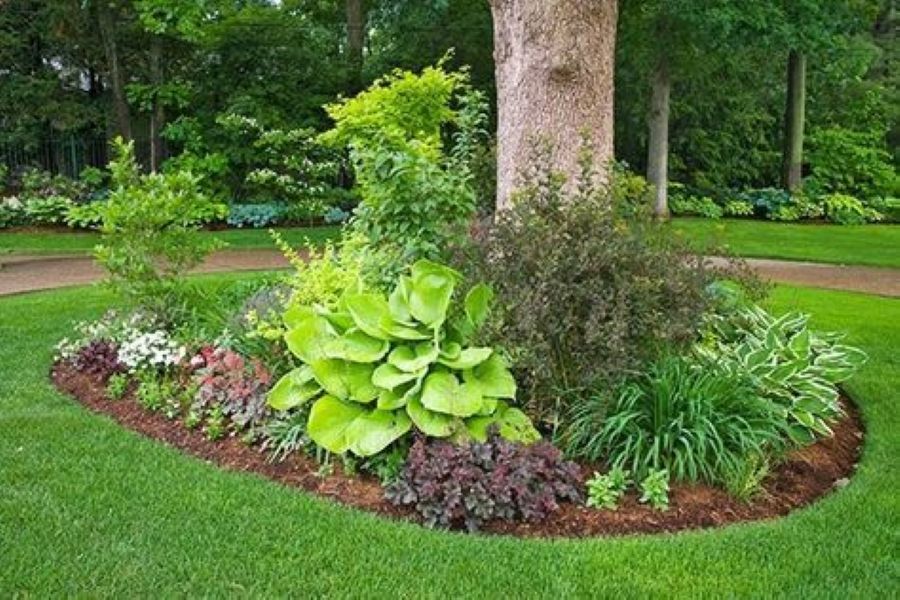
Smart planting choices keep terraced slopes stable and prevent erosion from washing away your hard work. On steep ground, use a mix of deep-rooted plants, such as shrubs and trees, to anchor the soil in place. Their root systems spread out underground and hold everything together. Ground cover plants like creeping thyme or ivy add another layer of protection by slowing surface runoff and softening the impact of rain hitting the soil directly. Pick your plants based on how deep their roots grow and how much ground they cover. The right combination creates a slope that stays put and looks good while it does.
Utilizing Natural Rock Formations
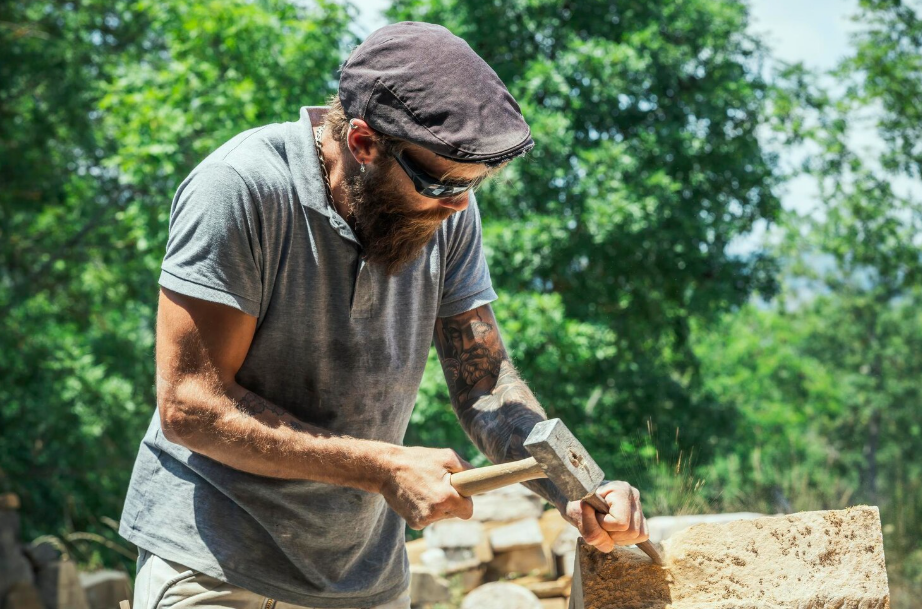
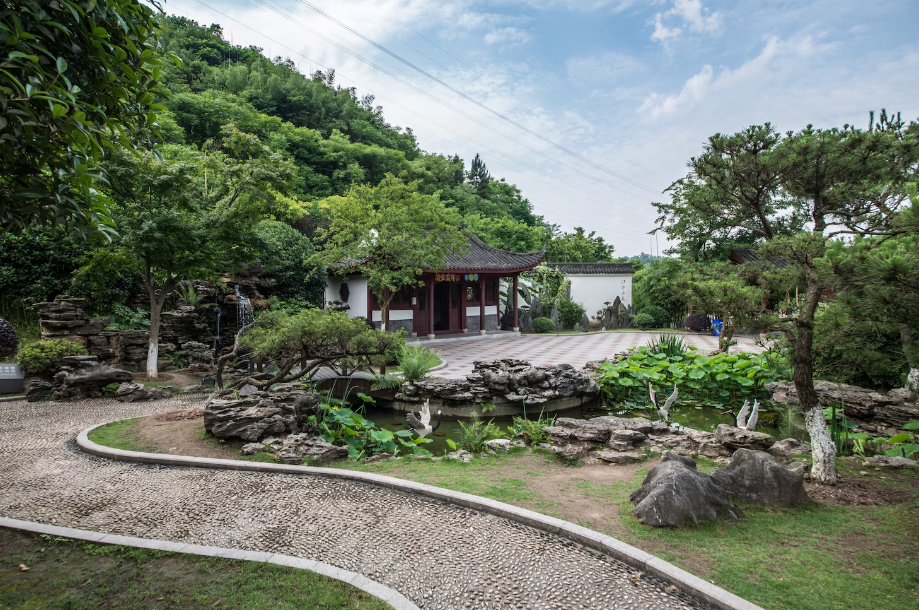
Working with the natural rock features on your property adds visual interest and practical benefits to a sloped landscape. Placing larger boulders in the right spots creates natural terraces that slow water runoff and reduce erosion. Smaller rocks can form a dry creek bed effect that guides water flow and keeps soil from shifting. Rock gardens built into the slope provide stability while adding texture and color. Mixing different rock sizes and shapes gives you a design that catches the eye and holds up structurally. Natural rock features make slopes more attractive and more durable.
Incorporating Water Features for Erosion Control
Water features do double duty on steep slopes: they manage erosion and make the space more visually interesting. Ponds, streams, or small waterfalls placed in the right locations control how water moves across the slope. A series of cascading features slows runoff, allowing water to soak into the ground gradually instead of rushing downhill and taking soil with it. Planting water-loving species around these features adds more soil stability and visual appeal. A recirculating pump system keeps water use sustainable while giving plants steady moisture. Water features turn an erosion problem into a peaceful, eye-catching landscape element.
Installing Steps and Pathways
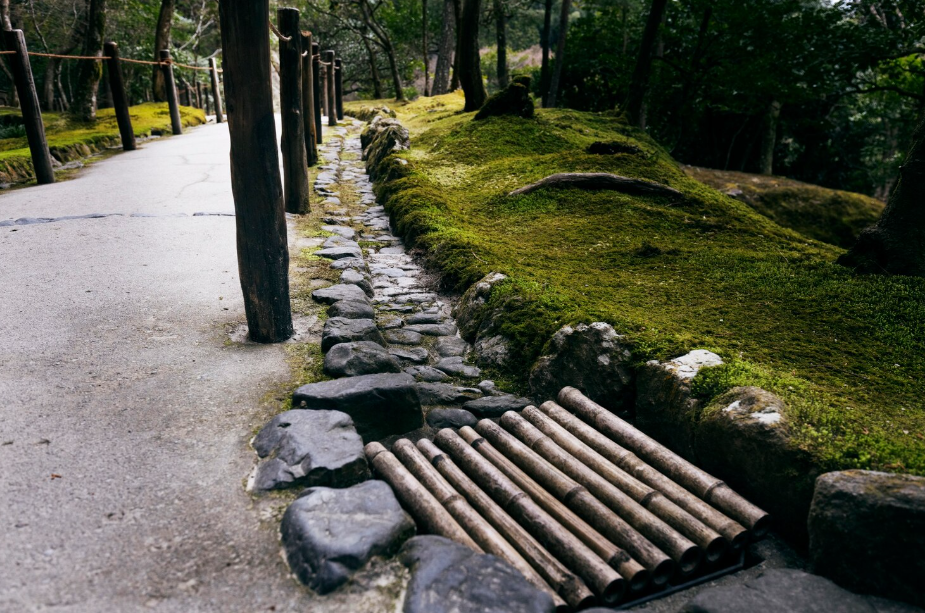
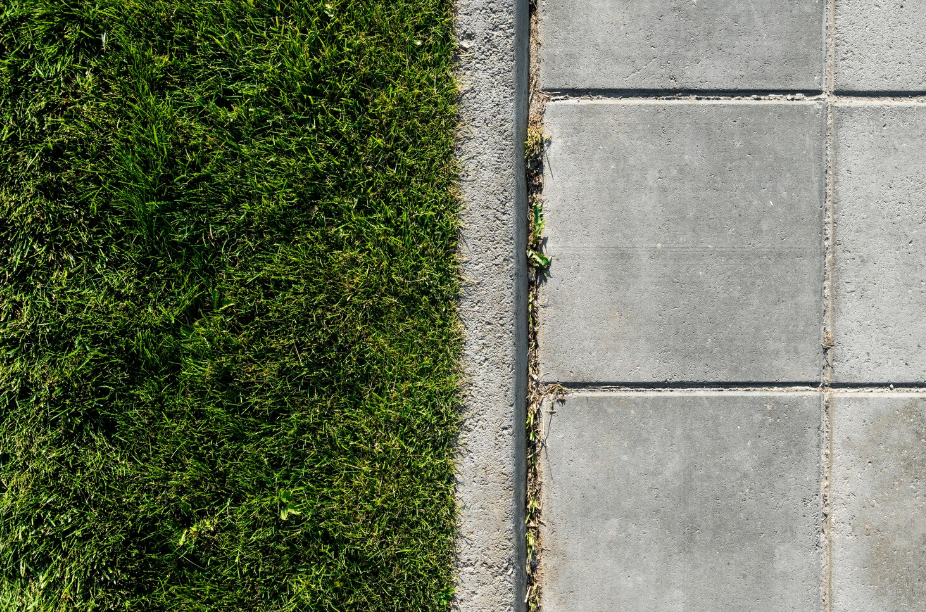
Steps and pathways make steep slopes easier to use while adding character to the overall design. Plan the layout carefully to create a natural flow that makes getting around simple and looks intentional. For steps, materials like natural stone or timber blend well with the outdoor surroundings. Pathways work best with materials that offer good grip and hold up over time, like gravel or interlocking pavers. Proper drainage along pathways prevents erosion and keeps the slope intact. A well-designed path serves a real purpose and adds personality to your landscape.
Embracing Native Plants for Sustainability
Native plants make sense for steep slopes because they already know how to thrive in your local conditions. They need less water, fewer fertilizers, and minimal pesticides compared to non-native options. Choose plants with deep root systems that prevent erosion and lock soil in place. Groundcover species like creeping phlox or bearberry spread quickly, cover large areas, and reduce maintenance. Trees like white oak and red maple provide shade, help prevent soil erosion, and create habitat for local wildlife. Going native creates a landscape that looks great and supports the surrounding environment.
Related Topics: