
How to Cut Landscape Edging for Clean, Professional Borders
ifo5mypo7m3orreu • January 12, 2026
Getting landscape borders to look neat isn't just about snapping a line in the ground. A lot of it comes down to knowing your material and having a feel for the space. Sandy's expert landscape designer
often says it's the little things that make a border stand out, like how you measure, mark, and handle the edging. Using steel or aluminum makes it last, but even a simple plastic edging can work if you take the time to do it carefully. The goal is clean lines that make the yard look thought-out, not rushed, and you'll notice the difference when everything fits together nicely.
Choosing the Right Edging Material
Picking the right edging material can feel tricky at first because there are a lot of options, but it mostly comes down to how long you want it to last, how it looks, and how easy it is to work with. Metal edges like steel and aluminum hold up for years and give a sharp, clean appearance, while plastic might bend or fade sooner, but it is easier to handle and cheaper.
Stone can provide a garden with a natural feel, whereas metal has a more modern vibe. Some materials bend and flex easily, making them simple to install around curves, while rigid stuff like concrete needs more planning and effort. Spending a bit of time figuring out what suits your space makes the whole process smoother.
Measuring and Marking the Edging
Before cutting, you need to know exactly where everything goes. Lay the edging along the border and take your tape measure to get the lengths right. Mark it with chalk or small flags, especially for curves, which can throw people off if they eyeball it. Sometimes I even go over the line twice because the last thing you want is to cut too short or end up with gaps. The more careful you are at this stage, the easier the installation will be. It's tedious work, but it pays off.
Selecting the Proper Tools
Having the right tools makes cutting a lot less frustrating. Gloves are a must; those edges can surprise you. A good utility knife or landscape cutter is handy for straight lines, and shears or scissors work better on curves. A tape measure and a straight edge keep things accurate, and sometimes a handheld jigsaw helps when the line isn't straight at all. You don't need a massive collection of tools, but having the right ones makes the job faster and the results cleaner.
Techniques for Cutting Straight Lines
Straight lines are mostly about patience and steady hands. Mark the line clearly, hold your straight edge in place, and follow it carefully with the cutter. Don't rush; one smooth motion is better than hacking away. Consistent pressure matters more than brute force, and if you check your work as you go, the edge ends up sharp and tidy. It's a small detail, but it's what makes borders look like they belong in a magazine photo rather than something thrown together quickly.
Tips for Curved Edging Cuts
Curves are where people often stumble, but they're not impossible. Start by sketching the curve with chalk, making it flow naturally. Then take a jigsaw or scissors and follow the line slowly. Stop and adjust if the cut doesn't feel right; forcing it can bend or nick the edging. It helps to think of it like drawing slowly instead of cutting all at once. When you go slow and steady, the curve looks smooth and professional.
Finishing Touches and Maintenance
Once the edges are cut and placed, finishing touches keep everything looking good. Seal the edging if it's metal or stone to help it hold up over time. Keep an eye out for weeds creeping in; they can ruin the clean look fast. And give it a wash now and then to remove dirt and debris. It's not glamorous, but a little upkeep keeps the lines crisp and shows that the space is cared for.
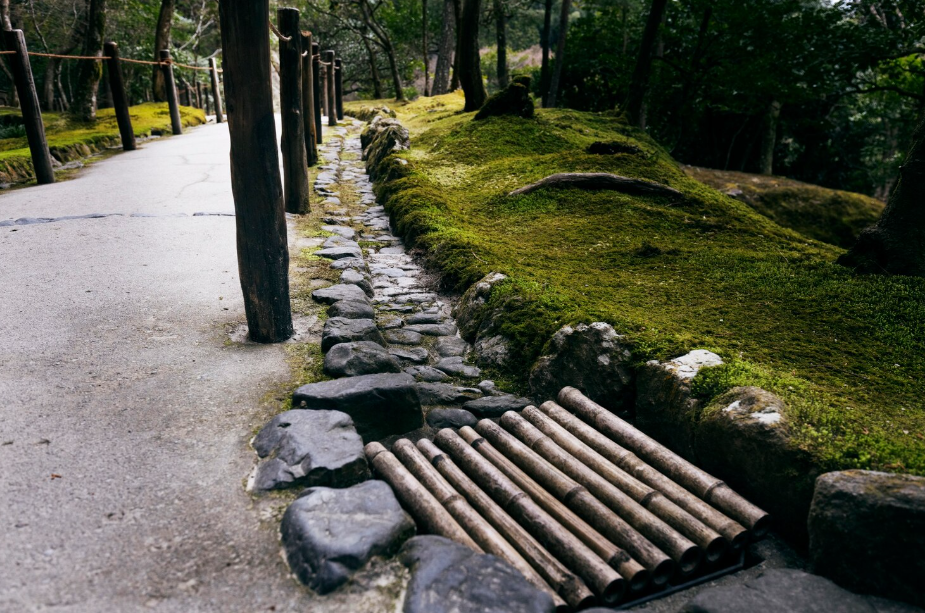
A swale is a shallow, planted channel that manages runoff, reduces erosion, improves drainage, and blends naturally into the landscape.

Cut landscape blocks safely and accurately by using the right tools, careful marking, steady cuts, and smart handling from start to finish.
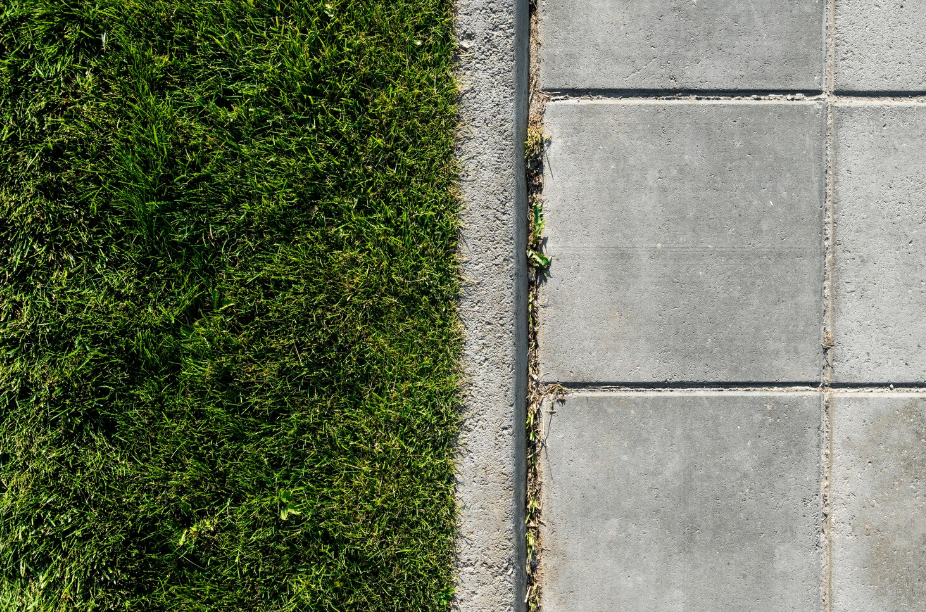
Learn how to cut landscape blocks cleanly using proper tools, careful measuring, and steady techniques for a polished, professional look.
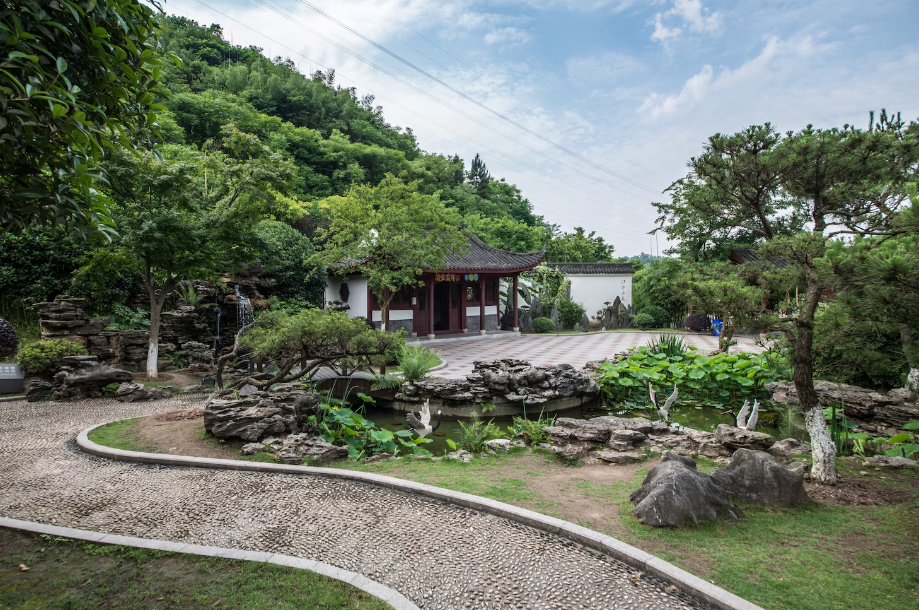
Color, form, line, texture, and scale are the five essential elements that create balanced, engaging, and visually appealing landscapes.
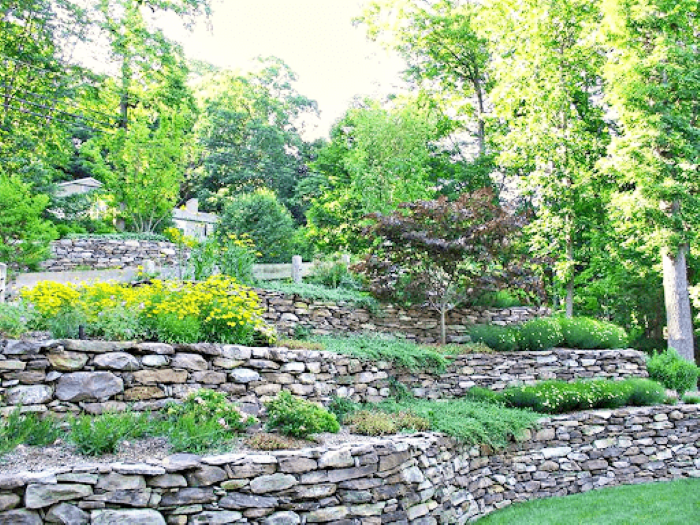
Landscaping a hill takes more thought than working with flat ground, but the results can be stunning. A quality landscape designer knows that success starts with understanding your hill's specific traits, such as slope, soil type, and sun exposure. From there, plant selection, terracing, and retaining walls all contribute to turning a tricky slope into something beautiful. This post covers the main steps to get your hill looking great while keeping it stable and low-maintenance. With the right approach, your sloped yard can become a real standout feature. Assess the Hill's Characteristics Before you start any landscaping work on a hill, take time to really look at what you're dealing with. Stand at the base and observe the incline, soil quality, drainage patterns, and how much sunlight different areas get. These details will shape every decision you make about layout and design. The slope's steepness indicates whether you need terracing or retaining walls. Soil quality determines which plants will actually survive there. Watching where water flows helps you avoid erosion problems down the line, and tracking sun exposure helps you place plants for the best growth. Getting these basics right sets up the whole project for success. Choose the Right Plants Wisely Picking plants for a hillside means considering slope steepness, soil conditions, and how much sun each area receives. Plants like creeping phlox, juniper, and ornamental grasses work well on slopes because they help hold soil in place. Groundcovers such as sedum or vinca can tolerate a range of soil types and spread nicely across the surface. Shrubs like yew or boxwood add stability and visual interest. Native plants that already thrive in your area's conditions require less maintenance and help the landscape blend into its surroundings. Choosing the right plants from the start means less work later and a hillside that actually looks good year after year. Design Terraced Gardens Effectively Building terraced gardens takes careful planning and smart placement of retaining walls to make the most of your space. When designing terraces, keep these points in mind: Evaluate Sun Exposure: Ensure each terrace receives enough sunlight for the plants you want to grow. Choose Appropriate Plants: Pick vegetation that fits the specific conditions on each level. Utilize Varied Heights: Add visual interest by mixing plants of different heights on each terrace. Implement Proper Drainage: Add drainage systems to prevent water from pooling and causing damage. Consider Accessibility: Plan pathways and steps so you can easily get around for maintenance. Utilize Retaining Walls Strategically Placing retaining walls in the right spots makes terraced gardens both functional and good-looking. These walls do several jobs at once: they stop soil erosion, create flat planting areas, and add structure to the landscape. When building retaining walls, think carefully about materials, height, and placement. Natural stone or timber gives you a classic look that fits in with the surroundings. Varying wall heights adds depth to the garden, and putting them in key spots can create focal points or draw the eye along the slope. Adding steps within the walls makes it easier and safer to move through the garden. Incorporate Natural Features Thoughtfully Adding natural elements to your hill design makes everything look more cohesive and connected to the surrounding environment. Pay attention to the details so everything blends smoothly. Here are some things to consider: Native Plants: Choose plants that grow naturally in your area for a cohesive look. Rock Formations: Place natural rocks throughout the design for texture and visual interest. Water Features: A small stream or waterfall can add a calming element. Wildlife Habitats: Create spaces that attract local birds and animals to strengthen the ecosystem. Erosion Control: Use natural erosion prevention methods to protect the hillside over time. Maintain and Care for Your Hill Keeping your hill in good shape means setting up a regular maintenance routine. Check the hill regularly for erosion, drainage issues, or signs of soil wear, and fix problems quickly before they get worse. Mow the grass regularly, trim the bushes, and pull the weeds to keep things looking tidy. Planting erosion-control vegetation helps stabilize the soil and prevent landslides. Feed plants when they need it and make sure they get enough water, especially during dry spells. Mulch helps hold moisture and keeps soil temperature steady. Staying on top of maintenance keeps your landscaped hill looking great for years to come. Related Topics: How Do I Lay Out My Landscaping Creative Ways to Landscape Steep Slopes
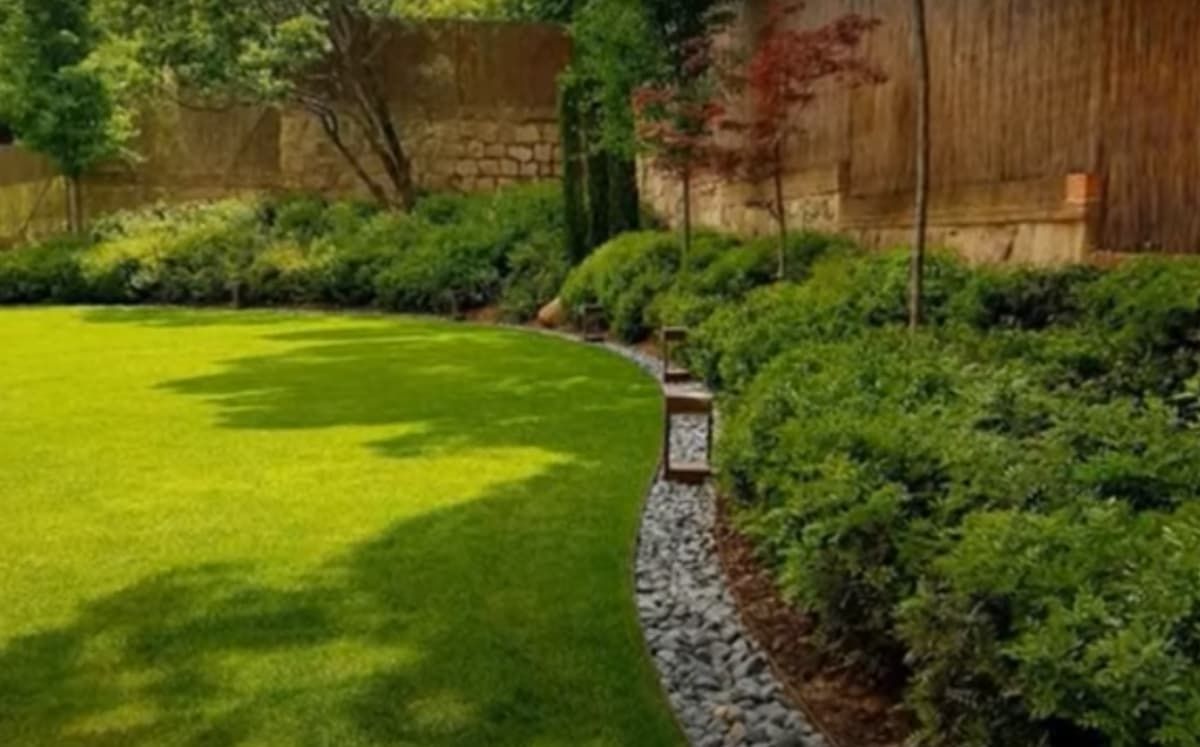
Transform your garden with landscape timbers using this complete guide for proper installation and design tips.
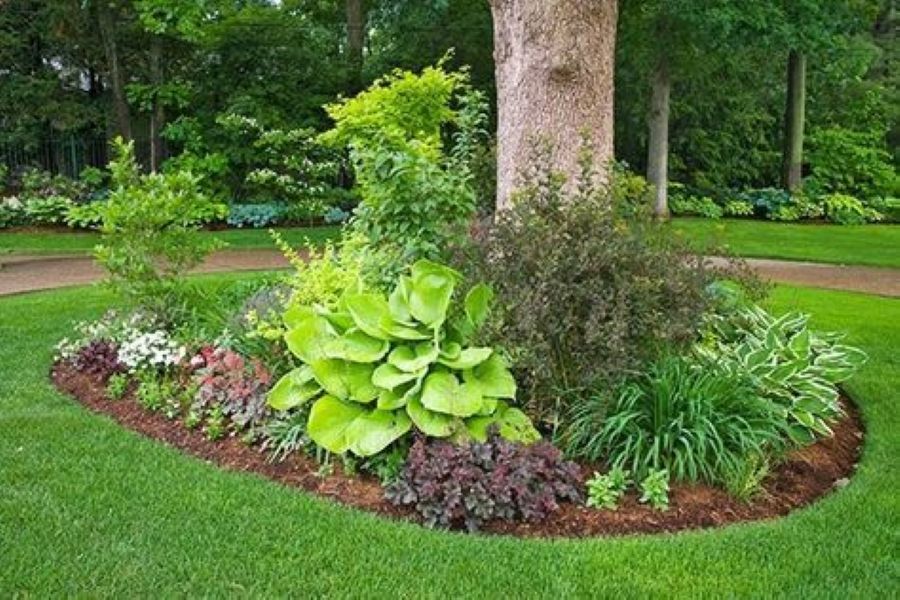
Follow this step-by-step guide to learn how to landscape around trees for a stunning, natural outdoor look.
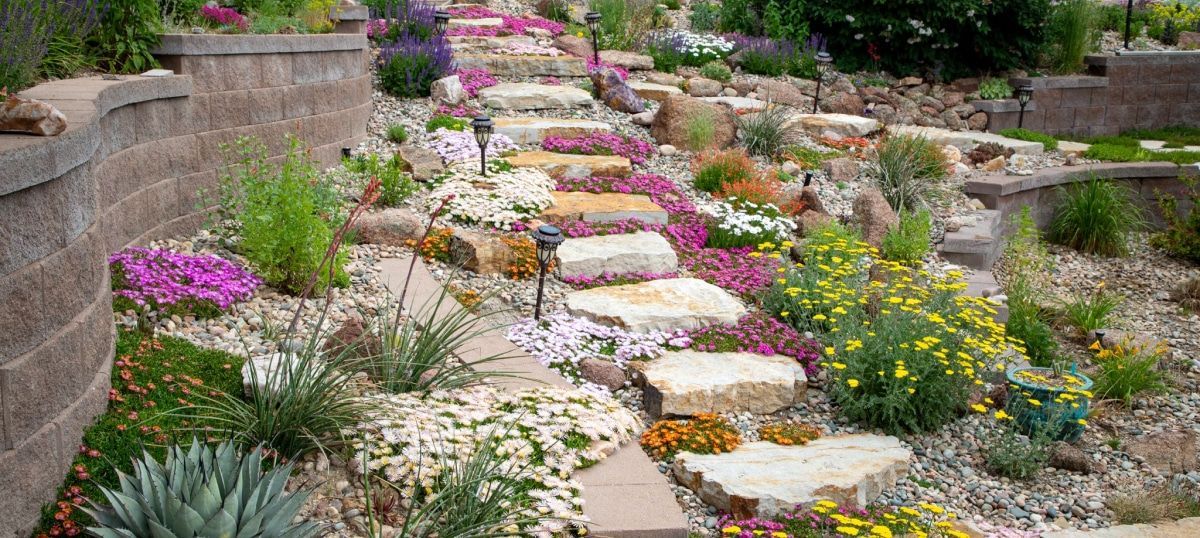
Find ways to landscape your steep slopes creatively without the need for retaining walls in this inspiring guide.
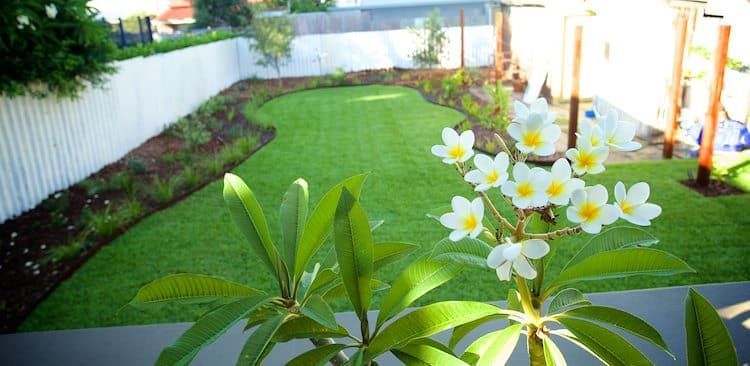
Explore how to lay out your landscaping with these easy tips for an attractive, well-organized garden.
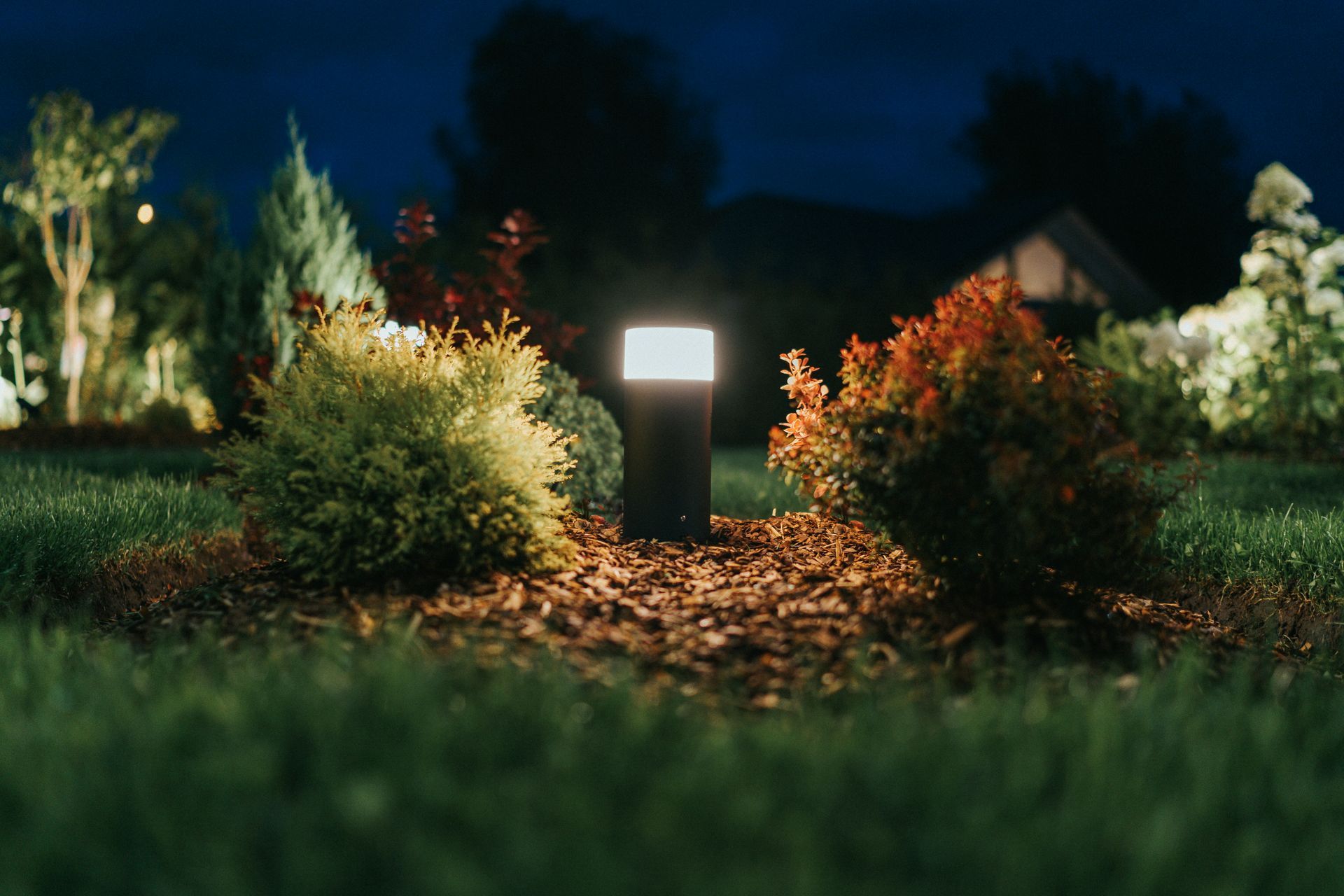
Landscape lighting boosts beauty and safety by highlighting features, guiding paths, and using efficient fixtures for a warm, inviting outdoor space.





